Checklist for Effective Math E-Learning Systems

Introduction to Math E-Learning Systems

Imagine a bustling city like Singapore, where the rhythm of life is as fast-paced as the waves crashing against the shores of East Coast Park. In this vibrant environment, education is a top priority, and math stands as a pillar of academic prowess. With the advent of technology, a new frontier in learning has emerged: online tuition. Parents seeking detailed information on Singapore's educational curriculum and standards can visit the MOE singapore website for comprehensive resources.. This digital evolution in education is transforming how students and parents approach math, offering flexibility, accessibility, and a world of resources at their fingertips.

The Rise of Online Math Learning Platforms

In recent years, online math learning platforms have seen a significant surge in popularity. This growth is driven by the increasing demand for supplementary education that caters to the rigorous academic standards in Singapore. Many moms and dads in Singapore are opting for reliable online tuition options to aid their offspring succeed in demanding areas like mathematics.. Online tuition, which involves remote tutoring sessions conducted via video platforms like Zoom or Skype, has become a go-to solution for parents seeking to give their children an edge in mathematics.

These platforms provide an array of tools that enhance the learning experience. From interactive whiteboards to digital resources like pre-recorded videos and past exam questions, students can engage with content in a way that suits their individual learning styles. The convenience of learning from home eliminates the need for travel, allowing more time for focused study and practice.

  • Did you know? Singapore consistently ranks among the top countries in international math assessments, such as the Programme for International Student Assessment (PISA).

Effective Online Learning Platforms: The Backbone of E-Learning

Effective online learning platforms are crucial for delivering high-quality education remotely. They serve as the backbone of e-learning, providing a structured environment where courses can be delivered seamlessly. For math students in Singapore, these platforms offer tailored content that aligns with the curriculum, ensuring that each lesson is relevant and impactful.

Key features of a robust online learning platform include user-friendly interfaces, reliable connectivity, and interactive tools that facilitate active learning. These elements work together to create an immersive educational experience that keeps students engaged and motivated.

  • Fun fact: The first online learning platform was launched in the 1990s, paving the way for today's advanced digital classrooms.

Key Components of an Effective Math E-Learning System

  • Interactive Content: Engaging resources like videos, quizzes, and simulations that cater to various learning styles.
  • Personalized Learning Paths: Adaptive algorithms that tailor the learning experience to each student's strengths and weaknesses.
  • Real-Time Feedback: Instantaneous feedback mechanisms that help students identify areas for improvement.
  • Accessible Resources: A comprehensive library of materials, including notes, diagrams, and past papers, available at any time.

Challenges and Innovations in Online Math Education

Despite the many advantages, online math education is not without its challenges. Connectivity issues, varying levels of digital literacy, and the need for self-discipline can pose obstacles for students and parents alike. However, innovations in technology continue to address these hurdles.

For instance, the integration of artificial intelligence in online tuition platforms is revolutionizing personalized learning. AI can analyze student performance data to offer customized recommendations, ensuring that learners receive the support they need to excel. Additionally, gamification elements are being incorporated to make learning math more engaging and enjoyable.

  • News update: Recent studies have shown that gamified learning can increase student engagement by up to 30%.

A Glimpse into the Future of Math E-Learning in Singapore

As we look to the future, the potential for online math education in Singapore is boundless. With continuous advancements in technology, these platforms will become even more sophisticated, offering an ever-expanding suite of tools and resources to support students in their academic journey.

What if we could harness virtual reality to create immersive math environments, where students can explore geometric concepts in 3D? Or imagine AI tutors that can simulate one-on-one interactions, providing personalized guidance at any hour of the day. The possibilities are as limitless as the universe itself.

In this dynamic landscape, parents and students are encouraged to embrace these innovations, leveraging the power of online tuition to unlock new levels of academic achievement. As the digital age continues to unfold, the future of math e-learning shines brightly on the horizon, promising exciting opportunities for learners in Singapore and beyond.
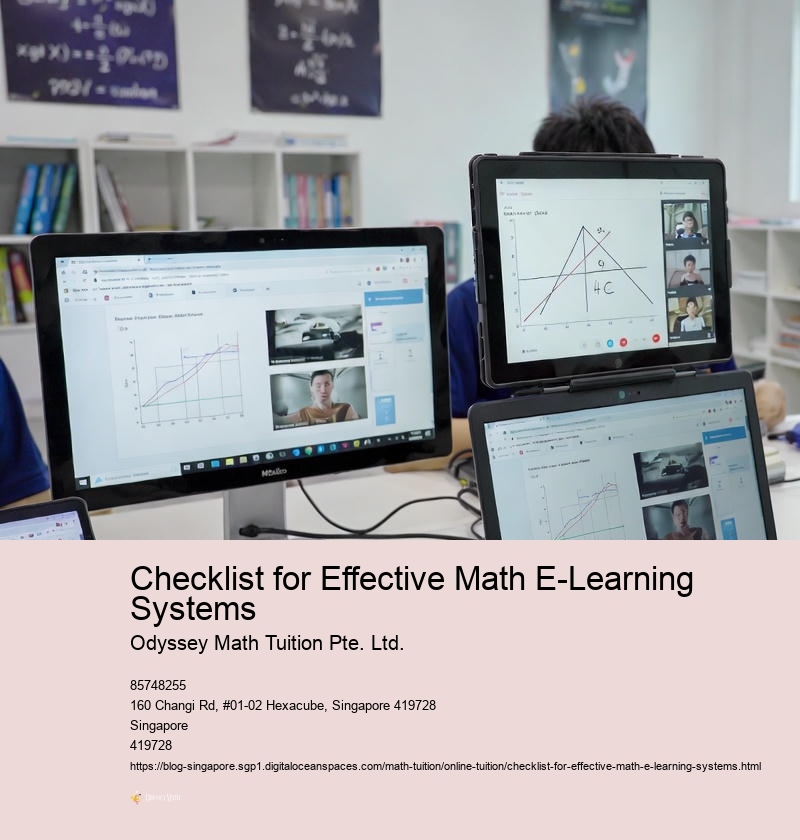

Understanding the Needs of Singaporean Students

Imagine a bustling Singaporean household where the aroma of freshly brewed kopi mingles with the gentle hum of a laptop. In one corner, a young student is deeply engrossed in a virtual math session, her eyes fixed on the screen as numbers and equations dance across a digital whiteboard. Welcome to the dynamic world of online tuition, a transformative approach to learning that’s reshaping how students in Singapore excel in mathematics.

The Digital Classroom: A New Frontier

As Singaporean parents navigate the competitive educational landscape, online tuition emerges as a beacon of flexibility and accessibility. Whether it's a primary school child grappling with fractions or a junior college student tackling calculus, the digital classroom offers tailored support that traditional methods might not provide. Here, the classroom isn't confined to four walls; it's wherever a student can connect to the internet.

Primary School Foundations: Building Blocks for Success

For parents with children preparing for the Primary School Leaving Examination (PSLE), online tuition serves as a crucial ally. With interactive tools and personalized attention, students can master foundational concepts like fractions and model drawing. Imagine a virtual playground where problem-solving becomes a game, and learning fractions is as engaging as piecing together a puzzle.

Secondary School Mastery: Navigating Complex Topics

As students transition to secondary school, the stakes rise with subjects like algebra, geometry, and trigonometry. Online tuition platforms cater to these needs by offering structured courses that align with the O-Level and N-Level curricula. Picture an intricate dance where algebraic expressions and geometric shapes move in harmony, orchestrated by expert tutors who guide students toward academic excellence.

Effective Online Learning Platforms: The Backbone of E-Learning

A robust online learning platform is essential for delivering seamless educational experiences. These platforms provide the structure necessary for effective online courses, ensuring that students can access resources, participate in interactive sessions, and track their progress. Consider them the digital equivalent of a well-organized library, where every resource is just a click away.

  • Interactive Tools: From shared whiteboards to real-time quizzes, these tools make learning a participatory experience.
  • Recorded Sessions: Students can revisit lessons at their own pace, reinforcing their understanding of complex topics.
  • Structured Programs: Tailored courses guide students through the curriculum, ensuring no stone is left unturned.
  • Fun Fact: Singapore consistently ranks high in global education assessments, showcasing the effectiveness of its educational strategies.

Junior College Excellence: Preparing for the Future

For those in Junior College, the challenge intensifies with advanced topics like functions, statistics, and calculus. Online tuition provides the flexibility needed to balance rigorous academic demands with personal commitments. It's a journey where students are equipped with not just knowledge, but the confidence to face the future head-on.

Innovations in Online Tuition: The Next Wave

What if students could explore math concepts through virtual reality? Or solve equations with the help of AI-powered tutors? The future of online tuition is brimming with possibilities, promising to make learning more engaging and effective than ever before. Imagine a world where every student has a personalized learning path, guided by cutting-edge technology.

As we look to the future, it's clear that online tuition will continue to evolve, offering even more innovative solutions to meet the diverse needs of Singaporean students. In this digital age, the possibilities are endless, and the journey is just beginning. So, why not embark on this exciting adventure and explore the myriad opportunities that online tuition has to offer?

Selecting the Right E-Learning Platform

User Experience

When choosing an e-learning platform, the user experience is crucial. A well-designed interface that is intuitive and easy to navigate can greatly enhance the learning process. Features such as clear menu options, responsive design, and seamless interaction are essential. For students, especially younger ones, a visually engaging and straightforward platform can mean the difference between a frustrating experience and an enjoyable one. Additionally, platforms that offer customizable settings allow for a more personalized learning journey, accommodating individual preferences and learning speeds.

  • Did you know? A study by the Nielsen Norman Group found that users often leave a webpage within 10-20 seconds, highlighting the importance of an engaging first impression.

Content Variety

An effective e-learning system should provide a diverse array of content to cater to different learning styles. This includes video lectures, interactive quizzes, downloadable resources, and live tutoring sessions. Such variety not only keeps students engaged but also addresses the various ways individuals absorb information. For instance, visual learners can benefit from video content, while kinesthetic learners might prefer interactive activities. Ensuring that the platform supports multimedia content can enhance understanding and retention of complex concepts.

  • Fun fact: The concept of learning styles was popularized by Neil Fleming's VARK model, which categorizes learners as Visual, Auditory, Reading/Writing, and Kinesthetic.

Interactive Tools

Interactive tools are essential for fostering engagement and active learning in an online environment. Features like virtual whiteboards, real-time chat, and collaborative workspaces enable students and tutors to interact dynamically. These tools help replicate the interactivity of in-person learning, allowing for instant feedback and clarification of doubts. By incorporating interactive elements, platforms can support a more participatory learning experience, encouraging students to actively engage with the material rather than passively consuming information.

  • According to a study by MIT, interactive learning can increase student performance by up to 25% compared to traditional methods.

Assessment Features

Robust assessment features are crucial for tracking progress and identifying areas for improvement. Platforms that offer regular quizzes, mock exams, and performance tracking can provide valuable insights into a student's understanding and readiness. This data-driven approach enables personalized feedback and targeted support, helping students focus on their weak points. Furthermore, adaptive assessments that adjust difficulty based on performance ensure that students are consistently challenged, promoting growth and mastery of skills.

  • Did you know? Adaptive learning technology has been shown to improve student retention rates by personalizing the learning experience.

Technical Support

Reliable technical support is vital for maintaining an uninterrupted learning experience. As students and parents navigate online platforms, they may encounter technical issues that could hinder learning. Access to responsive and knowledgeable support teams can quickly resolve such problems, ensuring minimal disruption. Additionally, platforms that offer comprehensive FAQs, tutorials, and user guides empower users to troubleshoot minor issues independently. This support network is essential for building confidence in the platform's reliability and fostering a stress-free learning environment.

  • Interesting fact: According to a report by Zendesk, 67% of consumers prefer self-service over speaking to a company representative, emphasizing the importance of comprehensive online support resources.

Interactive Tools and Resources

The Digital Chalkboard: Revolutionizing Math Learning

Imagine a world where your child can solve a complex algebra problem with the help of a digital tutor, all while sitting comfortably at home. This isn't a distant reality—it's happening now with the rise of online tuition. In Singapore, where education is highly competitive, the demand for innovative learning tools is transforming how students engage with mathematics.

Unlocking Potential with Interactive Tools

Picture a bustling classroom, but instead of traditional desks and blackboards, students are connected through a virtual space. Here, interactive elements like shared whiteboards become the new chalkboards, allowing students to see math problems unfold in real-time. These tools enable personalized instruction, where tutors can tailor their teaching methods to suit individual learning styles. The shared whiteboard, for instance, acts like a canvas where both student and tutor can collaborate, solve equations, and visualize complex concepts together.

Incorporating recorded sessions further enhances this experience. Imagine being able to replay a challenging lesson at your own pace until the concept clicks. These recordings serve as a valuable resource for revision, ensuring that no detail is missed. Moreover, they offer parents the opportunity to monitor their child's progress, fostering a collaborative learning environment at home.

  • Fun Fact: The use of digital whiteboards in education has been shown to increase student engagement and retention by up to 30%.

A Glimpse into the Future: Effective Online Learning Platforms

What if accessing quality education was as simple as logging into a platform? Effective online learning platforms are the backbone of successful online tuition. They provide a structured environment for delivering courses, ensuring that learning is seamless and uninterrupted. Platforms like Zoom and Skype are already household names, but the future holds even more promise with the integration of AI and machine learning, offering adaptive learning paths tailored to each student's needs.

  • Fact: AI-driven platforms can analyze student performance data to customize learning experiences, making education more efficient and effective.

The Art of Engagement: Keeping Students Hooked

How do we keep students engaged in a virtual classroom? The answer lies in the art of engagement—using interactive quizzes, gamified learning modules, and real-world applications to spark curiosity. Consider a student learning geometry through an interactive game that requires them to build structures using geometric shapes. This not only makes learning fun but also enhances spatial reasoning skills.

Additionally, platforms that offer a community aspect, such as discussion forums and group projects, mimic the social interactions of a traditional classroom. These elements foster a sense of belonging, encouraging students to learn collaboratively and share insights with their peers.

  • Fun Fact: Gamified learning can increase motivation and engagement by up to 50%, making it a powerful tool in education.

The Journey Ahead: Embracing Change

As we stand on the brink of a new era in education, the possibilities are endless. The integration of interactive tools in online tuition is not just a trend—it's a necessity. For parents in Singapore seeking the best for their children, investing in these innovative resources is a step towards future-proofing their education.

So, what does the future hold for online tuition in Singapore? With advancements in technology and a growing emphasis on personalized learning, the journey ahead is bright. By embracing these changes, we can ensure that students not only excel in their exams but also develop a lifelong love for learning. As the digital landscape continues to evolve, one thing remains certain: the chalkboard of tomorrow is digital, and it's more interactive than ever before.

Customized Learning Experiences

Imagine a world where every child, no matter their learning style or pace, receives the precise math guidance they need to excel. Welcome to the realm of online tuition in Singapore, where technology meets education to create customized learning experiences. This digital transformation is akin to tailoring a bespoke suit, perfectly fitted to each student's unique educational needs and aspirations.

The Evolution of Online Tuition

Not long ago, the idea of learning math online seemed as distant as a far-off galaxy. Today, it’s not only a reality but a thriving industry. The catalyst? A blend of technological advancements and an ever-growing demand for flexibility in education. With video calling platforms like Zoom and Skype, students can now connect with tutors from the comfort of their homes, transcending geographical boundaries.

But it’s not just about convenience. Online tuition provides a dynamic environment where interactive tools such as shared whiteboards and digital resources transform math lessons into engaging experiences. This evolution mirrors the way streaming services revolutionized how we consume media—personalized, on-demand, and endlessly accessible.

  • Fun Fact: According to a study by the Singapore Ministry of Education, students who engage in online learning platforms show improved problem-solving skills and higher engagement levels.

Key Components of Effective Math E-Learning Systems

What makes an online learning platform effective? It’s more than just a digital classroom; it’s a comprehensive ecosystem designed to facilitate seamless education. Here are some critical elements:

  • Interactive Tools: Just like a chef needs the right utensils to create a masterpiece, students require tools that make learning math feel intuitive and enjoyable. Platforms that offer interactive whiteboards, quizzes, and real-time feedback systems are essential.
  • Structured Content: A robust curriculum that adapts to different educational levels is vital. Whether preparing for PSLE or A-Levels, structured courses with clear learning objectives guide students through complex topics like calculus and algebra with ease.
  • Engaging Multimedia: Incorporating videos, diagrams, and animations helps demystify abstract concepts, much like a conductor leading an orchestra to create harmonious music. These elements keep students engaged and motivated.

Adapting to Diverse Educational Levels

Singapore’s education system is as diverse as its cultural tapestry, requiring tailored approaches to cater to varying academic stages. For primary school children, foundational concepts like fractions and model drawing are emphasized, while secondary students dive deeper into algebra and geometry.

Junior College students face the rigorous demands of A-Level exams, where advanced topics such as statistics and functions come into play. Online tuition platforms must offer specialized modules to address these specific needs, ensuring that every student, regardless of their educational background, receives the support they need to succeed.

  • News: In recent years, Singapore has been recognized as one of the top-performing countries in mathematics according to international assessments like PISA.

The Role of Parents in Online Tuition

In the bustling cityscape of Singapore, parents play a pivotal role in their children’s educational journey. They are the navigators, steering their children towards academic success in a highly competitive environment. Online tuition offers parents the flexibility to integrate learning seamlessly into their family’s busy schedule.

With recorded sessions and e-learning resources, parents can review lessons and track their child’s progress, making informed decisions about their educational path. This partnership between technology and parental involvement creates a nurturing environment where students can thrive.

The Future of Math Education

As we gaze into the crystal ball of education’s future, it’s clear that online tuition will continue to evolve, driven by innovations in artificial intelligence and machine learning. Imagine a world where AI tutors analyze a student’s learning patterns and adapt lessons in real-time, providing personalized feedback and support.

What if virtual reality could transport students into immersive math environments, turning abstract equations into tangible experiences? The possibilities are as limitless as the universe itself. As technology continues to advance, so too will our ability to create even more engaging and effective learning experiences.

In this digital age, online tuition is not just a supplement to traditional education; it’s a revolution, reshaping how we think about learning. By embracing these changes, we open the door to a future where every student has the opportunity to unlock their full potential, one math problem at a time.

Flexible Scheduling and Accessibility

Imagine a bustling Singaporean household where the clock is always ticking, and every minute is precious. It's a typical day, and the young prodigy of the family is preparing for the challenging PSLE, O-Levels, or the ultimate A-Levels. Amidst the hustle, online tuition emerges as a beacon of flexibility and accessibility, seamlessly fitting into the family's dynamic schedule.

The Evolution of Learning: Online Tuition as a Game Changer

In the past, tuition meant commuting to a tutor's home or a learning center, but the digital age has transformed this tradition. Online tuition now replicates the personalized touch of in-person sessions while offering unmatched convenience. With platforms like Zoom and Skype, students can explore math concepts from any corner of the home, saving valuable travel time and adapting to the modern pace of life.

Why Online Tuition Works: A Closer Look at Its Benefits

  • Flexibility: With online tuition, families can arrange sessions around their commitments. This flexibility is particularly advantageous for students balancing extracurricular activities or those who excel in unconventional study times.
  • Accessibility: No longer limited by geography, students can access top tutors regardless of location, ensuring quality education is within reach.
  • Personalization: Interactive tools such as shared whiteboards and digital resources enable tutors to tailor lessons to individual learning styles, enhancing understanding and retention.

Effective Online Learning Platforms: The Backbone of Digital Education

Behind every successful online tuition experience is a robust digital platform. These platforms provide the necessary structure for delivering courses effectively, ensuring that the virtual classroom is as engaging as its physical counterpart.

Think of these platforms as the architects of a digital learning space, where every feature—from video conferencing to file sharing—contributes to a seamless educational journey. The best platforms are intuitive, allowing students to focus on learning rather than navigating complex interfaces.

Key Features of Robust Learning Platforms

  • Interactive Tools: Features such as live quizzes, interactive diagrams, and real-time feedback keep students engaged and motivated.
  • Resource Libraries: Access to pre-recorded videos, notes, and past exam questions provides students with the materials needed to reinforce learning at their own pace.
  • Security and Privacy: Ensuring student data is protected is crucial, and top platforms prioritize secure connections and data encryption.

Adapting to the Future: The Continuous Evolution of Online Tuition

As technology advances, so too does the potential of online tuition. Imagine a future where augmented reality brings math problems to life, or where artificial intelligence tailors lessons in real-time based on a student's performance.

But beyond technology, the heart of online tuition remains the same: a commitment to providing flexible, accessible, and high-quality education. This dedication ensures that students in Singapore, from primary to junior college levels, have the support they need to excel in their academic pursuits.

Embracing the Journey: A Call to Action

For parents and students navigating the competitive landscape of Singapore's education system, embracing online tuition can be transformative. It's not just about keeping pace with peers; it's about unlocking potential and crafting a learning journey that fits your unique lifestyle.

So, what if your child could explore the wonders of algebra or the intricacies of calculus without the constraints of time or place? With online tuition, this isn't just a possibility—it's a reality waiting to be embraced.

Emphasizing Exam Preparation

Imagine a bustling Singaporean household in the heart of exam season. The dining table is transformed into a command center, adorned with textbooks, notes, and a laptop open to an online math tuition platform. As the clock ticks closer to exam day, the air buzzes with a mix of anticipation and determination. This scene is a familiar one for many Singaporean families navigating the competitive educational landscape. But what if there was a way to turn this nerve-wracking period into an empowering journey of discovery and mastery?

Harnessing the Power of Past Papers

In the realm of exam preparation, past papers are akin to treasure maps. They guide students through the labyrinth of potential questions and formats they might encounter. For parents and students alike, delving into these past papers is not just about practice but about understanding the terrain. Online tuition platforms often offer extensive libraries of past exam questions, which can be a goldmine for targeted practice. These resources allow students to familiarize themselves with the exam structure, identify recurring themes, and refine their problem-solving strategies.

  • Fun Fact: Research shows that students who practice with past papers tend to perform better as they become familiar with question patterns and time management.

Structured Preparation Modules: The Secret to Success

Picture a well-crafted blueprint—a strategic plan that builds confidence and competence. Structured preparation modules offered by online tuition services are precisely that. They break down complex topics into manageable segments, offering a step-by-step guide to mastering math concepts. Whether it's tackling algebraic equations or deciphering geometric puzzles, these modules provide a clear path forward. By integrating interactive tools like digital whiteboards and video explanations, students can engage with the material in a dynamic way, turning abstract concepts into tangible understanding.

  • Fact: Studies indicate that breaking down learning into smaller, structured modules helps improve retention and understanding.

Effective Online Learning Platforms: The Backbone of Remote Education

Behind every successful online tuition experience is a robust platform that facilitates seamless learning. These platforms are the unsung heroes of the digital education revolution. They provide the infrastructure for delivering courses effectively, ensuring that students have access to high-quality resources anytime, anywhere. Features such as real-time feedback, progress tracking, and personalized learning paths empower students to take control of their learning journey. It's like having a personal tutor available at the click of a button, ready to guide and support.

  • News: The global e-learning market is expected to reach $375 billion by 2026, highlighting the growing importance of online education platforms.

The Role of Interactive Tools in Math Mastery

Imagine a virtual classroom where students can manipulate shapes, draw graphs, and solve equations collaboratively. Interactive tools are the magic wands of online tuition, transforming passive learning into an engaging adventure. These tools, such as shared whiteboards and digital simulations, allow students to visualize problems and experiment with solutions. By fostering an environment of exploration and innovation, they help students build a deeper, more intuitive understanding of math concepts.

  • Fact: Interactive learning tools have been shown to increase student engagement and improve learning outcomes.

Preparing for the Future: A New Era of Learning

As we look towards the future, the landscape of education is evolving rapidly. Online tuition is not just a temporary solution but a glimpse into the future of learning. With advancements in technology, the possibilities are endless. Imagine AI-powered platforms that adapt to each student's learning style, offering personalized recommendations and real-time support. Or virtual reality experiences that transport students into immersive mathematical worlds. The future of education is bright, and the journey is just beginning.

For Singaporean parents and students, the path to math excellence is paved with opportunities. By embracing online tuition and leveraging effective learning strategies, they can transform exam preparation into a rewarding and enriching experience. So, as the sun sets on another day of study, the dining table command center becomes a place of triumph—a testament to the power of preparation, perseverance, and the endless possibilities of online learning.

Engagement and Motivation

Picture this: a bustling Singaporean household, where parents are juggling work, meals, and the educational needs of their children. Amidst this whirlwind, the quest for effective online math tuition becomes a beacon of hope. As the digital age unfolds, Singaporean parents and students are increasingly turning to online tuition to gain an edge in the competitive education system. But how do these platforms keep students engaged and motivated? Let's embark on a journey to uncover the secrets behind successful online math learning.

Understanding the Digital Classroom

Imagine a classroom without walls, where learning takes place not in a physical space but in the virtual world. This is the essence of online tuition in Singapore's math education landscape. By leveraging video calling platforms like Zoom or Skype, students can connect with tutors from the comfort of their homes. But what makes this experience truly effective?

Effective online learning platforms are the backbone of this digital classroom. They provide a structured environment where students can access a wealth of resources, from interactive whiteboards to pre-recorded lessons. These platforms are designed to mimic the benefits of face-to-face interaction while offering the flexibility and convenience that busy families crave.

  • According to a study by the National University of Singapore, students who engage in online learning show improved time management skills and self-discipline.

The Power of Interactive Tools

Think of interactive tools as the magic wands of the digital classroom. They transform passive learning into an engaging experience. Consider shared whiteboards, where students and tutors can solve problems collaboratively in real-time. This tool not only facilitates understanding but also encourages active participation.

Moreover, e-learning resources such as past exam papers, structured self-paced programs, and detailed notes provide students with the opportunity to explore concepts at their own pace. This autonomy is crucial for maintaining motivation and empowering students to take charge of their learning journey.

  • Interactive tools have been shown to increase student engagement by up to 60%, according to a report by EdTech Magazine.

Fostering a Sense of Community

What if online classes could feel as communal as traditional classrooms? This is where the role of the tutor becomes paramount. By fostering a sense of community, tutors can create an environment where students feel connected, even from afar.

Engaging anecdotes, relatable examples, and a touch of humor can bridge the digital divide, making lessons more relatable and enjoyable. The best tutors are like skilled conductors, orchestrating a harmonious blend of learning and interaction, ensuring that each student feels seen and heard.

  • A study by the University of Melbourne found that students who feel a sense of community in online classes are more likely to achieve higher grades.

Motivation Through Gamification

Imagine turning a math problem into a game, where each correct answer unlocks a new level or earns rewards. This is the essence of gamification, a powerful tool for motivation. By incorporating elements of play into learning, students are more likely to stay engaged and eager to tackle challenges.

Platforms that integrate gamification elements, such as quizzes and interactive challenges, tap into students' natural desire for achievement. This approach not only makes learning fun but also reinforces concepts through repetition and application.

  • Research from the University of Cambridge indicates that gamified learning can improve student retention rates by up to 30%.

The Future of Online Math Education

As we look to the future, the possibilities for online math tuition are boundless. With advancements in technology, we can anticipate even more personalized and immersive learning experiences. Imagine virtual reality classrooms where students can explore mathematical concepts in a 3D space or artificial intelligence tutors that adapt to each student's learning style.

The journey of online math education is just beginning. By embracing innovative techniques and fostering an environment of engagement and motivation, we can ensure that students in Singapore and beyond are equipped to excel in their academic endeavors.

As we sip our imaginary coffee and ponder the future, let's ask ourselves: What new tools and techniques will shape the next generation of learners? The story of online math education is one of endless possibilities, and it’s exciting to imagine where it will lead us next.

Evaluating Progress and Feedback

Imagine a world where mathematics isn’t just numbers and formulas but a universe of puzzles waiting to be solved. In the bustling cityscape of Singapore, where academic excellence is highly valued, online tuition has emerged as a guiding light for students navigating this intricate maze. But how do we ensure these digital learning experiences are as effective as they are convenient? Let’s embark on a journey to explore the art and science of evaluating student progress and providing feedback in this virtual realm.

Unveiling the Magic of Online Tuition

In Singapore, online tuition is not merely a digital replica of traditional tutoring. It's a dynamic, interactive experience where students can engage with math concepts from the comfort of their homes. With platforms like Zoom and Skype, students delve into lessons using shared whiteboards and digital resources, making learning both flexible and accessible. But the real magic lies in how these platforms facilitate feedback and progress tracking, core components of effective learning.

The Anatomy of Effective Feedback

Feedback in online tuition is the compass that guides students through the vast ocean of mathematics. But what makes feedback effective? It’s all about timing, clarity, and personalization. Imagine feedback as a GPS for learning; it’s only useful if it’s timely and precise. In the digital classroom, this means providing immediate insights during live sessions or through annotated digital assignments. Tools like Google Classroom or Edmodo allow tutors to leave detailed comments, guiding students like a lighthouse in a storm.

Personalization: The Heartbeat of Feedback

Every student is unique, and so should be the feedback they receive. Personalized feedback considers the student’s learning style and pace. For instance, a student struggling with algebra might benefit from visual aids, while another might prefer step-by-step written explanations. Online platforms with adaptive learning technologies can tailor feedback to meet these diverse needs, ensuring no student is left adrift.

Assessing Progress: The Digital Dashboard

Assessing student progress in an online setting requires a blend of traditional and innovative methods. Think of it as a digital dashboard, providing real-time insights into a student’s journey through the curriculum. Online quizzes, interactive exercises, and performance analytics are some of the tools in this digital toolbox.

Gamification: Turning Learning into Adventure

What if learning math felt like playing a video game? Gamification in online tuition transforms mundane exercises into exciting challenges. Platforms like Kahoot! and Quizizz use game design elements to make learning engaging and competitive, motivating students to improve their skills while having fun. This approach not only tracks progress but also fosters a love for learning.

The Role of Effective Online Learning Platforms

A robust online learning platform is the backbone of any successful e-learning system. It must be user-friendly, reliable, and equipped with features that support both teaching and learning. Platforms such as Moodle and Canvas provide a structured environment where tutors can organize courses, administer assessments, and facilitate discussions. These platforms are designed to create seamless learning experiences, crucial for the success of online tuition.

Interactive Tools: The Bridge to Engagement

Interactive tools are the bridge connecting tutors and students in the virtual classroom. Features like virtual whiteboards, breakout rooms, and live polls transform passive learning into active participation. They allow students to collaborate, ask questions, and engage with content in real-time, making the learning process more interactive and effective.

Looking to the Horizon: The Future of Online Tuition

As we peer into the future, the landscape of online tuition continues to evolve, driven by technological advancements and the ever-changing needs of students. Imagine a world where AI-driven platforms provide hyper-personalized learning experiences, or where virtual reality brings abstract math concepts to life. The possibilities are endless, and the journey has just begun.

Online tuition in Singapore is more than a response to a digital age; it's a revolution in education. By embracing effective methods for evaluating progress and providing feedback, we ensure that students not only succeed in their exams but also develop a lifelong love for learning. As parents and educators, our mission is to navigate this journey together, harnessing the power of technology to light the path to academic excellence.

Parent Involvement and Support

Imagine a lively Singaporean household where the aroma of dinner mingles with the sound of children discussing math problems. In this vibrant scene, parents play a vital role in their children's educational journey, especially regarding online tuition. As the digital world becomes increasingly integral to education, parents find themselves not just as spectators but as active participants in their children's learning experiences.

The Digital Classroom: A New Frontier

Online tuition has transformed the traditional tutoring landscape. Using platforms like Zoom or Skype, it brings the classroom into the comfort of one's home. This virtual setup is not just about convenience; it offers a wealth of resources such as interactive whiteboards and recorded sessions, making math more accessible and engaging. But how do parents fit into this digital classroom?

  • Fun Fact: According to a study by the National University of Singapore, students who engaged in online learning reported higher satisfaction levels due to the flexibility and variety of resources available.

Building a Strong Foundation with Parents

Parents are the unsung heroes in the realm of online learning. Their involvement can significantly enhance a child's educational outcomes. By staying informed about the curriculum and understanding the tools used in online tuition, parents can provide invaluable support. This proactive engagement allows them to identify areas where their children might need additional help, ensuring they stay on track with their studies.

Effective Online Learning Platforms: The Backbone of Success

At the heart of successful online tuition lies a robust learning platform. These platforms facilitate remote education by offering a structured approach to delivering courses. Features such as interactive modules, real-time feedback, and personalized learning paths are crucial for a seamless learning experience. For instance, platforms that offer practice questions tailored to the PSLE or O-Level exams ensure students are well-prepared for their assessments.

  • News: A recent report by the Straits Times highlighted that over 70% of Singaporean students have used online platforms to supplement their learning during the pandemic, showcasing the growing reliance on digital education tools.

Interactive Tools: The Magic Wand of E-Learning

What if math could be as engaging as a video game? Interactive tools make this possible by turning abstract concepts into tangible experiences. From virtual manipulatives to gamified quizzes, these tools captivate students' attention and foster a deeper understanding of mathematical principles. Parents can encourage their children to explore these resources, transforming learning into an exciting adventure.

  • Fun Fact: Research from the Massachusetts Institute of Technology (MIT) suggests that gamified learning can improve student engagement by up to 60%, making complex subjects more approachable.

Challenges and Innovations in Online Tuition

While online tuition offers numerous benefits, it also presents challenges such as maintaining student motivation and managing screen time. However, innovations in e-learning are continually addressing these issues. For instance, adaptive learning technologies personalize the educational journey, ensuring students remain challenged but not overwhelmed. By staying informed about these advancements, parents can better support their children in navigating the digital learning landscape.

Creating a Supportive Home Environment

Imagine a home where learning is woven into the fabric of daily life. Parents can create such an environment by setting up a dedicated study space and establishing a consistent routine. Encouraging open communication about academic progress and challenges further strengthens the parent-child partnership. This supportive backdrop not only boosts academic performance but also instills a lifelong love for learning.

The Future of Learning: A Collaborative Effort

As we look to the future, the role of parents in online tuition will continue to evolve. With advancements in technology, the potential for more personalized and interactive learning experiences is vast. What if parents could join virtual parent-teacher meetings with the click of a button, or receive real-time updates on their child's progress? Such innovations are on the horizon, promising a more integrated and supportive educational ecosystem.

In this dynamic world of online tuition, parents are not just passive observers but active participants shaping their children's educational journeys. By embracing their role and leveraging the tools at their disposal, they can unlock a world of possibilities for their children, ensuring they not only excel in math but also develop a passion for learning that lasts a lifetime.

Look for platforms that offer comprehensive curriculum coverage, interactive tools, flexibility, recorded sessions, and resources tailored to PSLE, O/N-Levels, and A-Levels, as well as international curricula like IGCSE or IB.
Online math tuition provides targeted exam preparation through personalized learning plans, access to past exam papers, practice tests, and interactive problem-solving sessions, all designed to align with Singapores rigorous educational standards.
Parents should consider services that offer flexible scheduling, affordable pricing, access to qualified tutors, and additional resources like video tutorials and digital aids to support their childs learning and exam readiness.